How to turn off Wi-Fi for kids at night
Parental control that runs on the router — not on your kid's phone.
Parental control that runs on the router — not on your kid's phone.
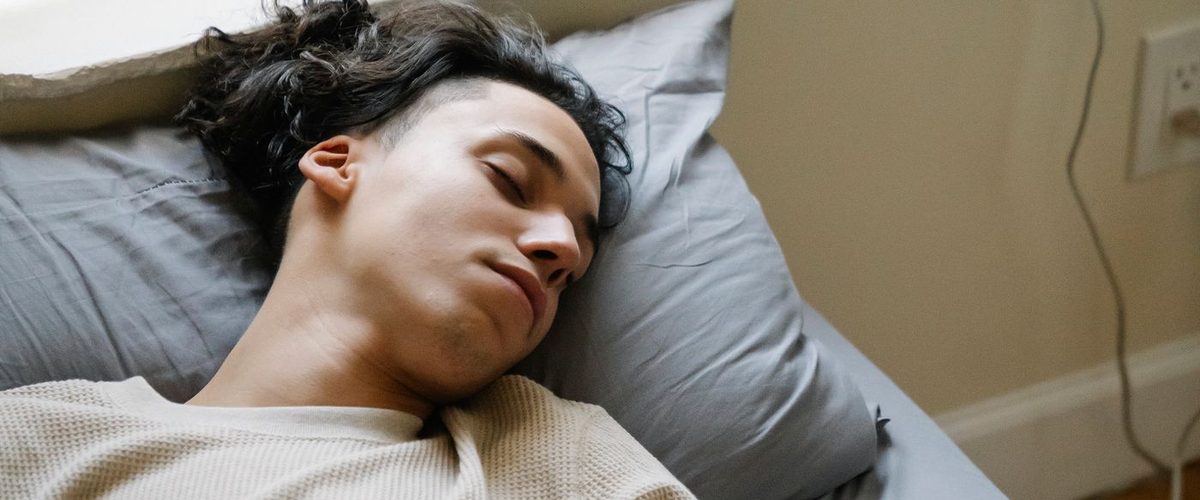
In short:
1. A fixed schedule beats a nightly negotiation. Same time every evening, so it's not up for debate.
2. Consistency matters more than the exact hour. The sleep research points to routine, not a magic number of minutes.
3. Owlyfi doesn't watch what happened before the network closes — it schedules access, nothing more.
Lights out, a "just five more minutes", and five minutes becomes forty-five because the only thing enforcing bedtime is a tired parent standing in a doorway.
It's not really a discipline problem. It's a design problem: a rule that has to be renegotiated every night is a rule that loses most nights, no matter how firm the parent was the night before.
A 2024 study in the Journal of Adolescent Health followed more than 9,000 early adolescents and found a TV- or internet-connected device in the bedroom was linked to shorter sleep a year later. The device being reachable in bed at all does more of the damage than any specific number of minutes used.
It would be easy to overstate this: a large within-person meta-analysis found only a small link to how long it takes to fall asleep, and no significant link to total sleep time. A phone in reach at bedtime is one factor among several — which is exactly why consistency, not one magic cut-off, is worth building a routine around.
Owlyfi sets a bedtime schedule for the home network in one pass:
| Template | Default days | Default time |
|---|---|---|
| Bedtime schedule | every day | 21:00–06:30 |
It lands better as a decision the household made together than as something that appeared overnight — see why an app on the phone causes problems of its own, compare with device-based control, or read what Owlyfi does and doesn't see.
Yes — choose days and times, and change them any time.
Yes — a schedule can target a mix of groups, profiles, and devices.
No. A home Wi-Fi schedule only covers the home network; a phone on mobile data is outside its reach.
No. Owlyfi doesn't monitor the child — it doesn't log browsing history, read messages, or track location.
The default template runs 21:00 to 06:30 every day; most families adjust it after the first week or two.
No — pair it with a conversation about why, the way a family media plan is meant to work.
All sources accessed 24 September 2026.
Free, no ads. Owlyfi is in closed testing — we launch soon.
Join the test